
The most important day for your smoke or carbon monoxide detector is the day it’s installed. Whether adding new units or checking existing ones, Capital takes the time to ensure they work properly to keep you, your family, and your home safe.
- Protection from fire and carbon monoxide
- Early emergency warnings
- Peace of mind your home is safe
Life-Saving Detection Systems for Your Home
CO Detector Installation
Carbon monoxide is a colorless, odorless gas that can be fatal without warning. We install CO detectors with precision placement for optimal coverage, integrate them with your home’s electrical system or smart home network if desired, and test each unit to ensure accurate sensing and reliable alerts.
✔ Advanced sensors detect CO before it reaches dangerous concentrations
✔ Strategic placement for full household protection
✔ Continuous monitoring to safeguard your family 24/7
Smoke Detector Installation
Early detection is critical in a fire. We install photoelectric or ionization smoke alarms — or combination units — to provide rapid response to both smoldering and flaming fires. Our technicians position each detector for maximum detection speed, ensure proper wiring or battery backup, and verify connectivity with your existing safety systems.
✔ Rapid response to fire conditions
✔ Professionally installed and tested to meet safety codes
✔ Integrated protection for day and night peace of mind
Testimonials
What Our Customers Say
Carbon Monoxide and Smoke Detector Services

Checklist for Proper Smoke and Carbon Monoxide Detector Installation
You don’t need to be an electrician to recognize if your smoke and carbon monoxide detectors are truly protecting your home. The following checklist breaks down what proper installation should look like — and why each factor matters:
- Right number of units – Every level of your home should have at least one smoke detector, plus one inside every bedroom and one outside each sleeping area. Carbon monoxide detectors should be installed on every level and outside sleeping areas. In larger homes, this often means multiple detectors in the same zone to ensure complete coverage.
- Strategic placement – Smoke rises, so smoke detectors should be mounted on the ceiling or high on the wall (4–12 inches from the ceiling). CO detectors measure air that mixes throughout the room, so placement can vary — often at eye level outside bedrooms — but always away from vents, fans, or windows to prevent false readings.
- No coverage gaps – Long hallways, large open spaces, or stairwells should have detectors placed so sound and detection reach all areas quickly. In some layouts, this means placing alarms at both ends of a hallway or in both the top and bottom of a stairwell.
- Correct device type – Certain areas are better suited to specific detector types. Kitchens should use photoelectric smoke alarms placed far enough from cooking appliances to reduce nuisance alarms. Combination smoke/CO units save space but may not be the right choice near heat sources or high-humidity areas.
- Interconnected alarms – In a proper setup, when one alarm detects danger, every alarm in the home sounds at once. This can be achieved through hardwiring or wireless interconnection and is crucial for giving everyone in the home the maximum escape time.
- Up-to-date units – Smoke detectors should be replaced every 7–10 years and CO detectors every 5–7 years, even if they appear to be working. Sensors degrade over time, reducing reliability.
- Tested and maintained – Detectors should be tested monthly, batteries replaced yearly (unless using sealed 10-year batteries), and any wiring inspected periodically. Dust and debris should be cleared from vents to prevent interference with sensors.
The right placement, the correct number of units, and regular maintenance can make the difference between an early warning and a dangerous delay. Our technicians are trained in every aspect of smoke and carbon monoxide detector installation — from meeting code requirements to fine-tuning placement for faster detection. Each member of our team shares a single priority: keeping families safe. When we install your detectors, you can be confident they’re positioned, tested, and maintained to deliver the protection your home deserves.
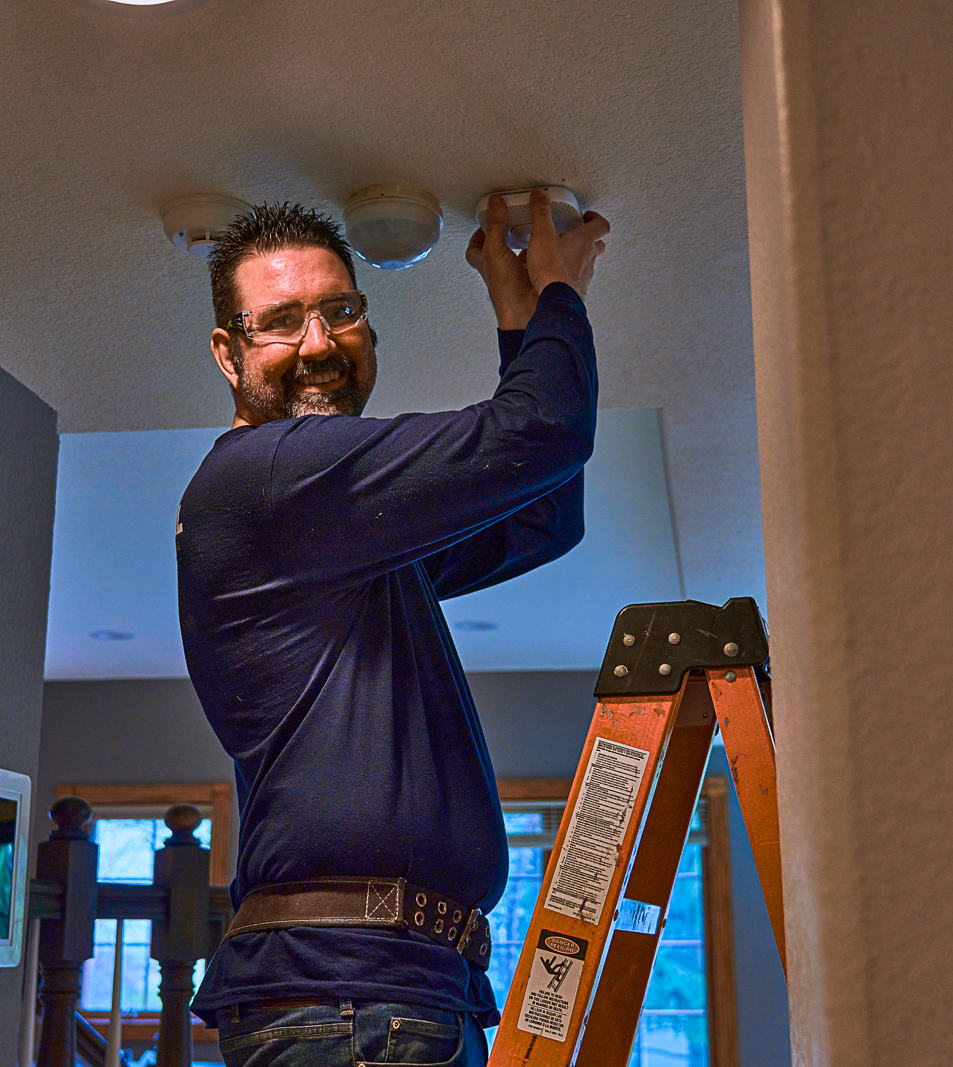
Capital Gives You Peace Of Mind
These devices act as your first line of defense against the silent threats of carbon monoxide and fire, helping to protect your family and property.
How Often You Should Replace
The National Fire Protection Association (NDFA) suggests replacing your CO and every 7 to 10 years.
Frequently Asked Questions
1. How many smoke and carbon monoxide detectors do I need?
At minimum, install a smoke detector on every level of your home, inside each bedroom, and outside every sleeping area. CO detectors should be on every level and outside sleeping areas. Larger homes may need more units for complete coverage.
2. Where should smoke detectors be placed?
Smoke detectors belong high on walls (4–12 inches from the ceiling) or on the ceiling itself, away from vents, fans, and windows. This helps ensure smoke reaches the alarm quickly.
3. Where should carbon monoxide detectors be placed?
Placement can vary by manufacturer, but CO detectors are often mounted near sleeping areas and at breathing height. Avoid locations near windows, fans, or bathrooms where humidity could affect readings.
4. How often should detectors be replaced?
Smoke detectors should be replaced every 7–10 years, and CO detectors every 5–7 years, even if they seem to work. The sensors inside degrade over time.
5. Should I choose battery-powered or hardwired detectors?
Hardwired detectors with battery backup provide the most reliable protection. Battery-only units work well in areas without wiring access but require regular battery checks.
6. Do you install combination smoke/CO alarms?
Yes. Combination units save space and can be ideal in certain locations. We’ll help you decide whether separate or combination alarms work best for your home’s layout.
7. Can detectors be interconnected?
Yes. Interconnected alarms mean when one unit sounds, all units sound. This is especially important in larger or multi-level homes for faster evacuation.

Why Choose Capital?
Capital Guarantees
Capital Heating, Cooling, Electric & Plumbing stands behind all our work. You are covered on the installation of your heating or cooling system by the following guarantees and more:
- Your 100% Unconditional Satisfaction Or Your Money-Back Guarantee
- 5-Year Comfort Guarantee
- Exclusive Lemon-Free Guarantee
- Lifetime Installation Components & Craftsmanship Guarantee
- Lifetime Ductwork Warranty
- And more.
Flexible Financing
Capital cares to make your life better today, without YOU having to worry about tomorrow. So we also offer a number of financing options to help you with your HVAC system, plumbing, or electrical repair or replacement costs.
Capital Communication
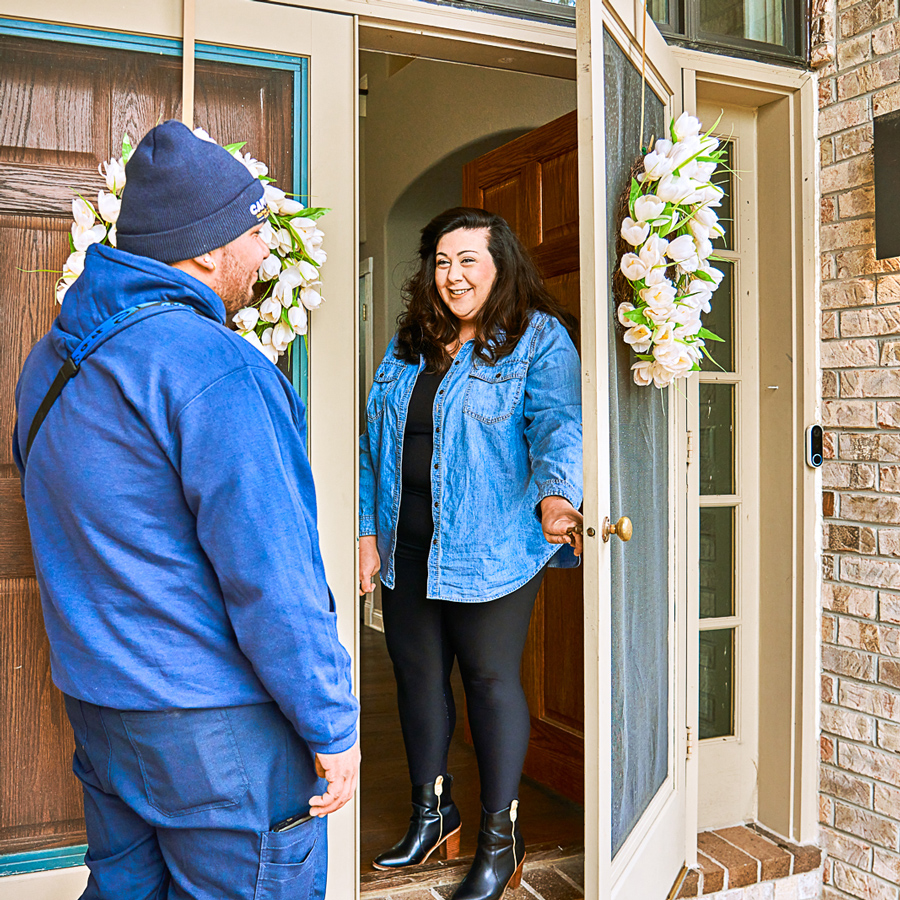
We will let you know what to expect on the day of your service, and introduce you to technician before they arrive at your doorstep. At least 24 hours prior to your installation, you’ll receive a “Meet Your Technician” email with:
- Technicians’ photo
- # years experience
- Photo of the install truck
- In Transit text
In addition to the friendly introduction, you can rest assured that every Capital technician who enters your home is thoroughly vetted, professionally trained, and nationally certified. In fact, many team members have been recruited from across the country to ensure you always receive the highest level of expertise—no matter the service.
